Why the Human Psyche Needs God
July 12, 2026
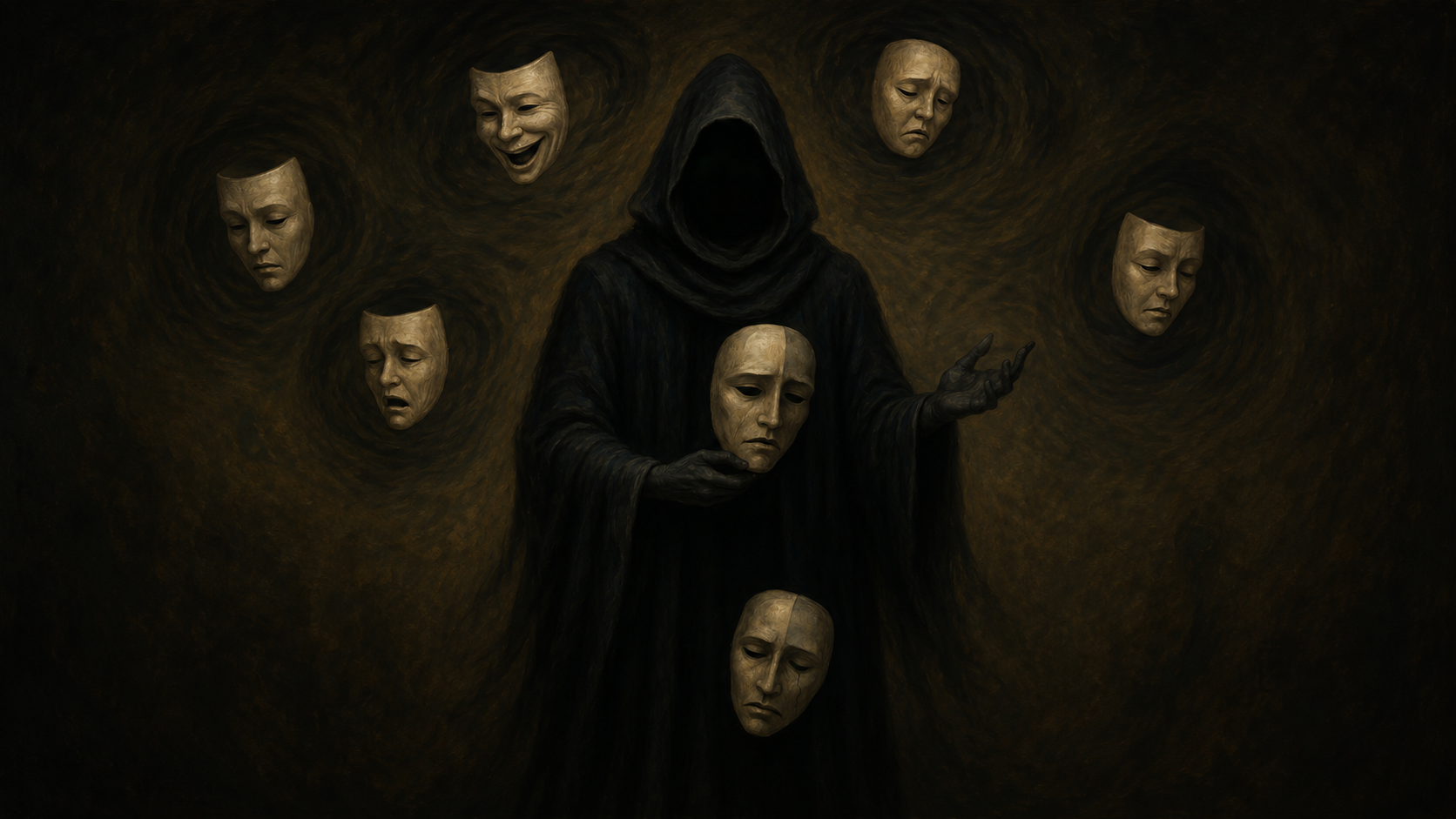
Carl Jung believed the human psyche is naturally oriented toward transcendence. The question isn't whether we'll devote ourselves to something greater than ourselves—but what that 'something' will be. When that transcendent centre is lost, Jung argued, it doesn't disappear... it is replaced.
Carl Jung believed that one of the defining characteristics of the human psyche is its orientation toward transcendence. The question, he argued, is not whether human beings will devote themselves to something greater than themselves, but what that "something" will be. In this video, we explore Jung's understanding of the God-image, religious experience, the transcendent function, individuation, Christ as the archetype of the Self, and his warning that when transcendence is abandoned, it does not disappear—it is redirected toward ideology, the State, or other collective identities. Drawing from Psychology and Religion, The Undiscovered Self, Aion, The Transcendent Function, and Memories, Dreams, Reflections, this essay examines why Jung believed psychology cannot ignore religion, why meaning is essential for psychological health, and why his ideas remain profoundly relevant in the modern world. Whether you approach Jung from psychology, philosophy, or theology, his work presents a compelling challenge: if the human psyche naturally seeks a transcendent centre, what happens when that centre is lost?