Why Carl Jung Saw Jesus as the Archetype of the Self
July 23, 2026
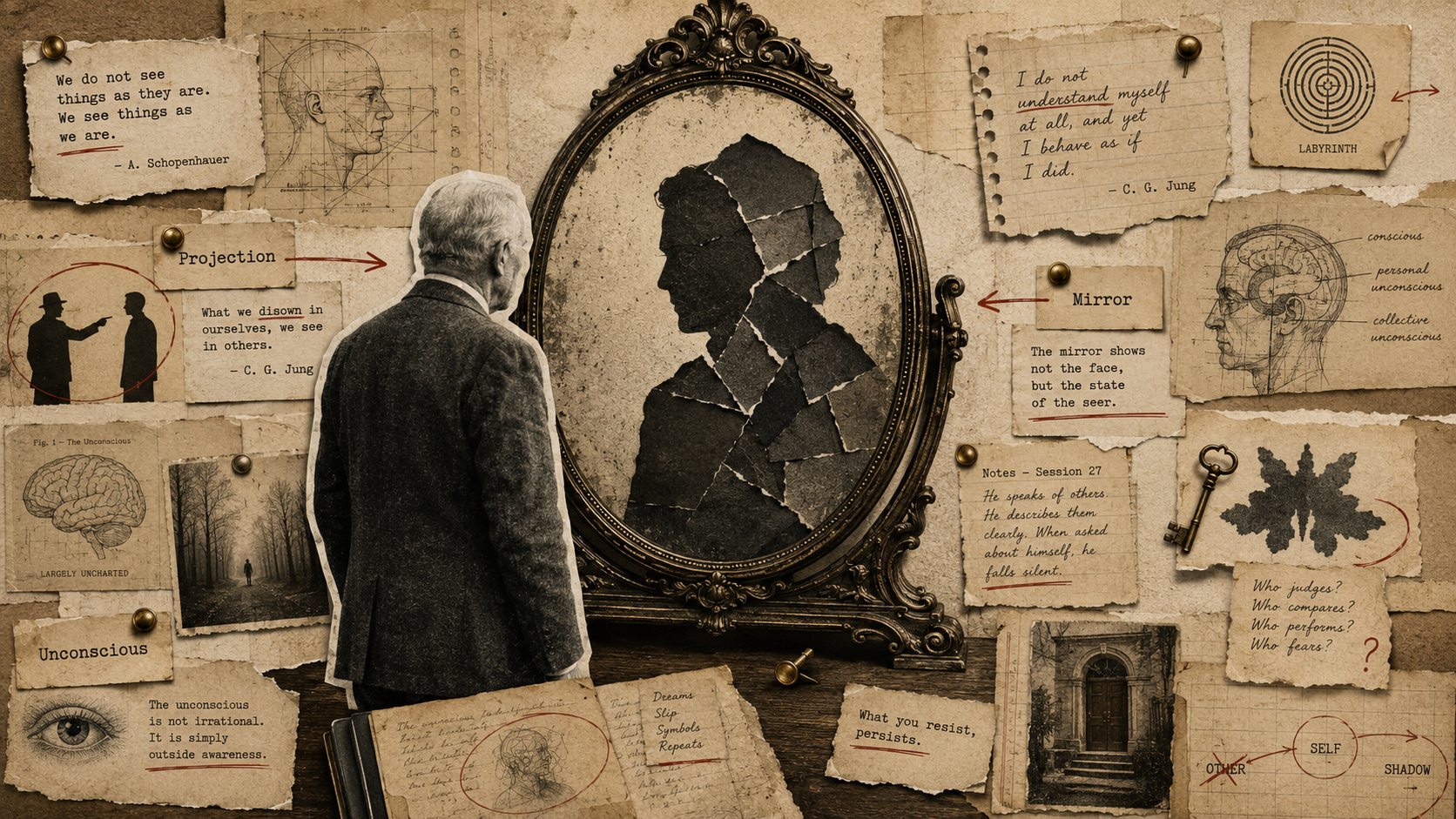
Carl Jung believed that Christ represented the archetype of the Self—the deepest image of psychological wholeness within Western civilisation.
In this video, we explore what Jung meant by the ego, the unconscious, individuation and the Self, and why he saw Christ as more than a moral teacher or conventional hero. The life of Christ presents a pattern of temptation, suffering, sacrifice, death and resurrection, but for Jung, its psychological significance lies in something deeper: the transformation of a fragmented personality around a centre greater than status, control or self-preservation. We also examine the extraordinary power of words to shape the human psyche. Words carry meaning; meaning becomes belief; belief influences identity, perception and behaviour. Over time, these psychological patterns can even become reflected in the brain and nervous system. This gives new depth to Christ’s statement: “The words that I have spoken to you are spirit, and they are life.” Drawing on Jungian psychology and the Gospel narratives, this essay considers how Christ exposes the hidden motives beneath conscious identity, why truth is necessary for transformation, and how forgiveness becomes more intelligible when we recognise the complexity of both conscious and unconscious life. The central question is not simply what Christ teaches, but why His image and words have exercised such enduring power over the human psyche.