
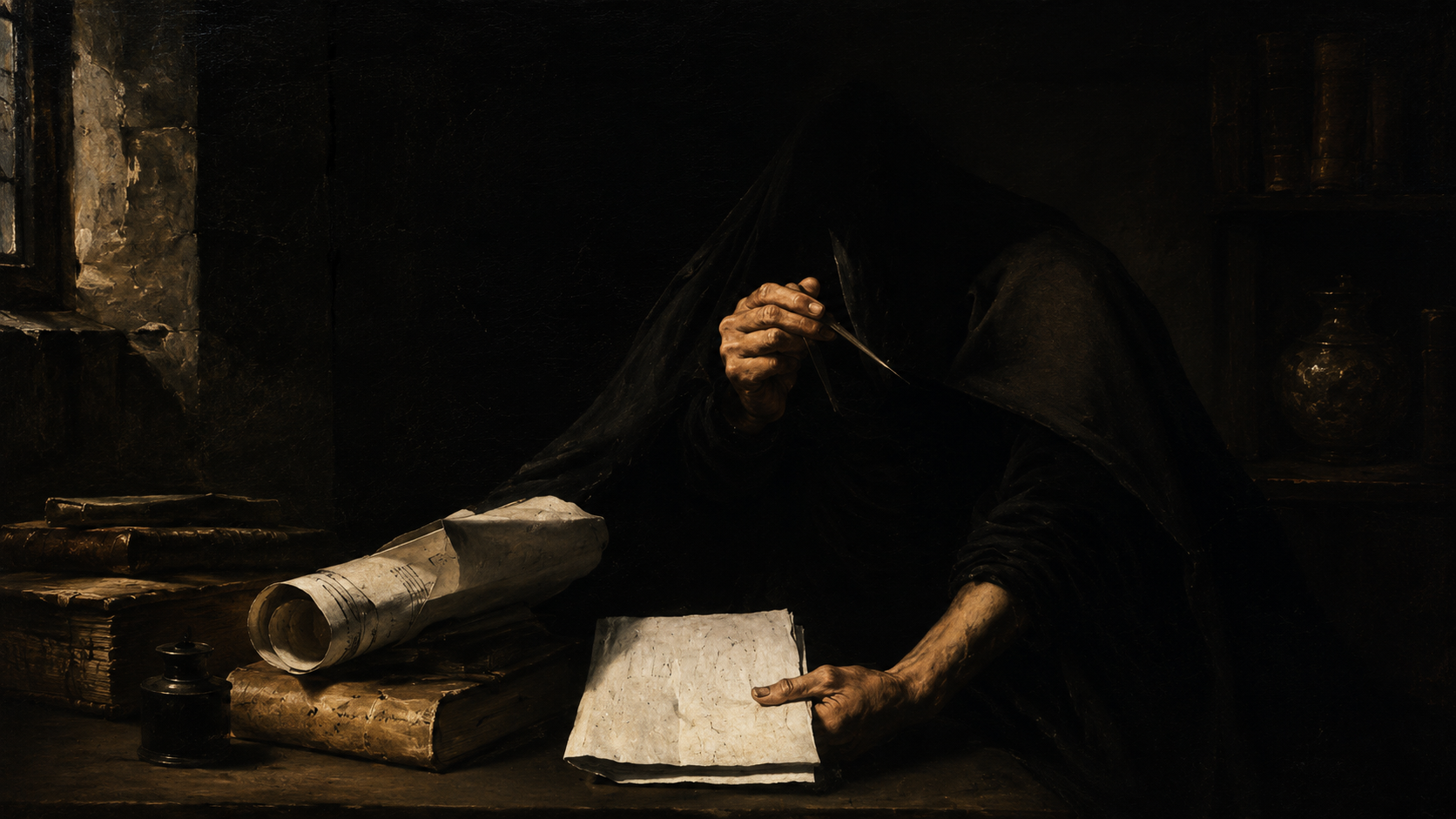
Addiction, Repression, and the Architecture of the Unconscious

One does not become enlightened by imagining figures of light, but by making the darkness conscious
That darkness has a name. Jung called it the Shadow — the reservoir of everything we could not bear to feel, could not afford to express, or were never given permission to become. And nowhere does the Shadow reveal itself more clearly, or more painfully, than in addiction.
Addiction is often treated as a moral failing, a lack of discipline, a problem of the will. But looked at through a Jungian lens, addiction rarely begins as addiction at all. It begins as comfort. Understanding that distinction — between what addiction is and what it was originally for — may be the single most important shift in how we think about compulsive behaviour, whether it appears in ourselves or in someone we love.
Where It Begins
Somewhere along the way, often in childhood, long before we had the language to name what we were feeling, an emotion became too much to hold. Fear. Shame. Abandonment. The quiet terror of not being enough, or not being safe, or not being wanted in the way we needed to be.
A child has no framework for processing something that large. There is no vocabulary yet for grief, no developed capacity for self-soothing, no adult nearby, perhaps, who could translate the feeling into something bearable. So the feeling doesn't get resolved. It gets buried — pushed beneath conscious awareness, into what Jung called the Shadow.
This is not a flaw in the child. It is the psyche doing exactly what it is designed to do: protecting the fragile, developing self from an experience it cannot yet metabolise. The tragedy is not that the burial happens. The tragedy is that it is rarely revisited.
The Lens We Don't Know We're Looking Through
What gets buried does not stay buried quietly. It becomes the lens.
It begins shaping how we see ourselves — as unworthy, as too much, as fundamentally unsafe in a world that once failed to hold us. And it begins shaping how we see the world around us — as something to brace against rather than something to trust, as a place where connection is conditional and comfort has to be found rather than given.
None of this is chosen. That is the defining feature of the unconscious: we do not select the lens we look through. We simply look through it, and mistake what we see for reality itself. The child who once felt abandoned does not grow into an adult who thinks, "I feel abandoned." They grow into an adult who simply experiences the world as abandoning — without ever tracing the feeling back to its origin.
When Relief Arrives
So when something comes along that finally soothes the ache — a substance, a behaviour, a distraction, a relationship, anything that turns the volume down on an unbearable feeling — it does not feel like a choice. It feels like relief.
And for a while, it works. This is important to sit with, because it is the part most often skipped over in conversations about addiction: the coping mechanism is not irrational. It is, in its origin, adaptive. It is the psyche finding something — anything — that makes an unmanageable feeling manageable. Before it is a problem, it is a solution. A flawed one, but a solution nonetheless.
Why Repression Fails
But repression was never transformation. The feeling underneath was never resolved — it was avoided. And avoidance only works if it is repeated.
This is the mechanism by which a coping strategy calcifies into a compulsion. The relief is real, but temporary, because the underlying feeling was never actually addressed. It simply sinks back beneath awareness, waiting, and resurfaces the moment the soothing wears off. So the behaviour is repeated. And repeated again. Not because the person is weak-willed, but because the original wound has never been given the chance to be felt, understood, and integrated.
From the Unconscious to the Brain
This is also where the pattern stops being purely psychological and becomes structural.
Every time we return to the same source of relief, the brain reinforces the neural pathway that leads us there. This is not metaphor — it is basic neuroplasticity. Neurons that fire together wire together, and with enough repetition, what began as an unconscious emotional pattern becomes a physical groove carved into the architecture of the brain itself. The pathway to relief becomes wider, faster, more automatic, while the alternative pathways — the ones that might lead toward facing the feeling directly — grow fainter from disuse.
This is why willpower alone so rarely succeeds against addiction. A person is not simply fighting a bad habit. They are fighting a structure: one built, quite literally, by the mind, to protect a child who once had no other way to survive an unbearable feeling. Asking someone to override that structure through sheer determination is asking them to out-will their own nervous system — a battle that discipline alone is poorly equipped to win.
The Shadow Waits
The Shadow does not disappear because we refuse to look at it. It waits — first in the unconscious, and eventually in the very architecture of the brain — until we are finally willing to feel what we were never allowed to feel.
This is the heart of Jung's insight, and it is why he insisted that enlightenment was never about cultivating light while ignoring the dark. It was about turning directly toward the darkness and making it conscious. Not to relive the original wound, and not to be consumed by it, but to finally let it move through us, rather than continuing to run our lives from beneath the surface.
Facing the Root
None of this makes addiction simple to overcome, and none of it suggests that neuroscience or willpower are irrelevant. But it does suggest where the real work begins: not at the level of the behaviour, but at the level of the feeling the behaviour was always trying to soothe.
The addiction was never really the problem. It was the solution to a problem no one ever helped us solve. And so the way through is not more restriction, more control, or more shame layered on top of an already wounded self. It is turning toward the very thing we spent a lifetime avoiding — bringing the Shadow into the light, and finally giving the child within us permission to feel what they were never allowed to feel.
This is what Jung meant by individuation. Not becoming someone new, but becoming whole — integrating what was split off, so that it no longer has to run our lives from the dark.